
It doesn’t usually happen overnight, It starts small. A shoulder that aches when you lie in bed, a wrist that doesn’t feel as strong as it used to, an elbow that reminds you it’s there every time you lift something simple. At first, you work around it, you adjust how you move, how you sleep, what you carry. You tell yourself it’s manageable.
But gradually, those small adjustments become part of daily life. And before long, pain begins to shape your routine, limiting what you can do without you even realising it. For many people who come to Surgery Now, this is the turning point, the moment they decide to look for real answers.
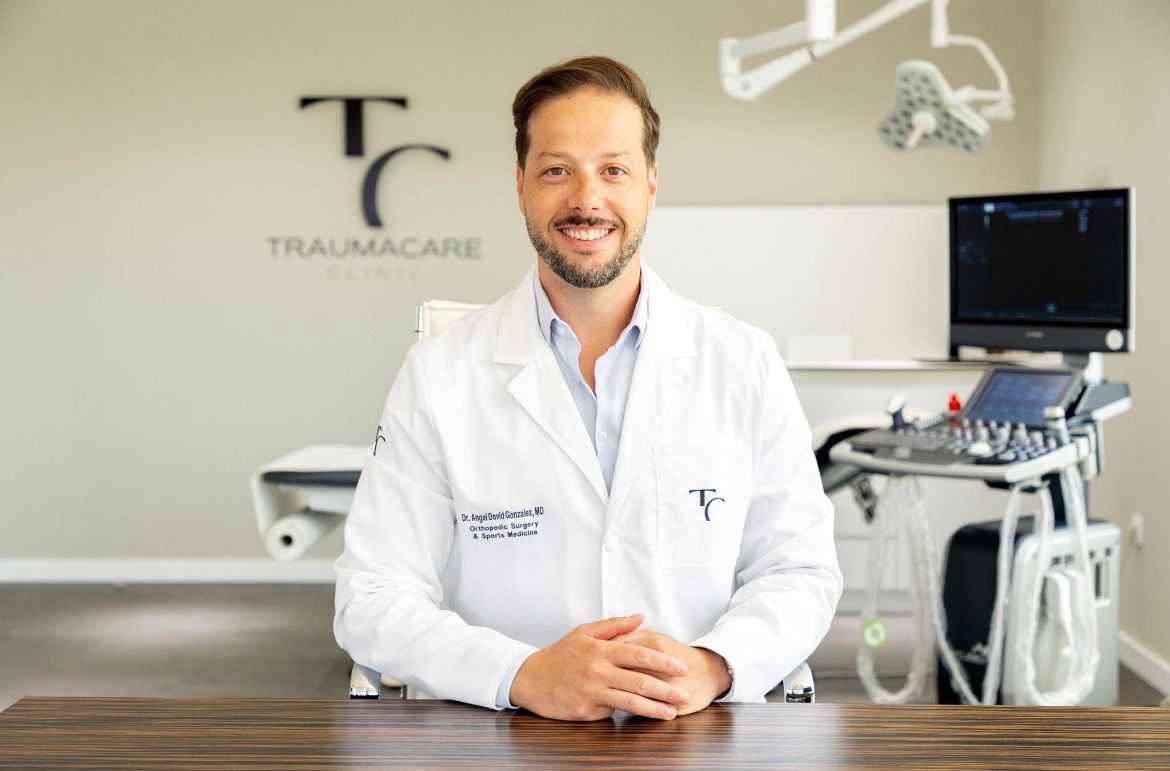
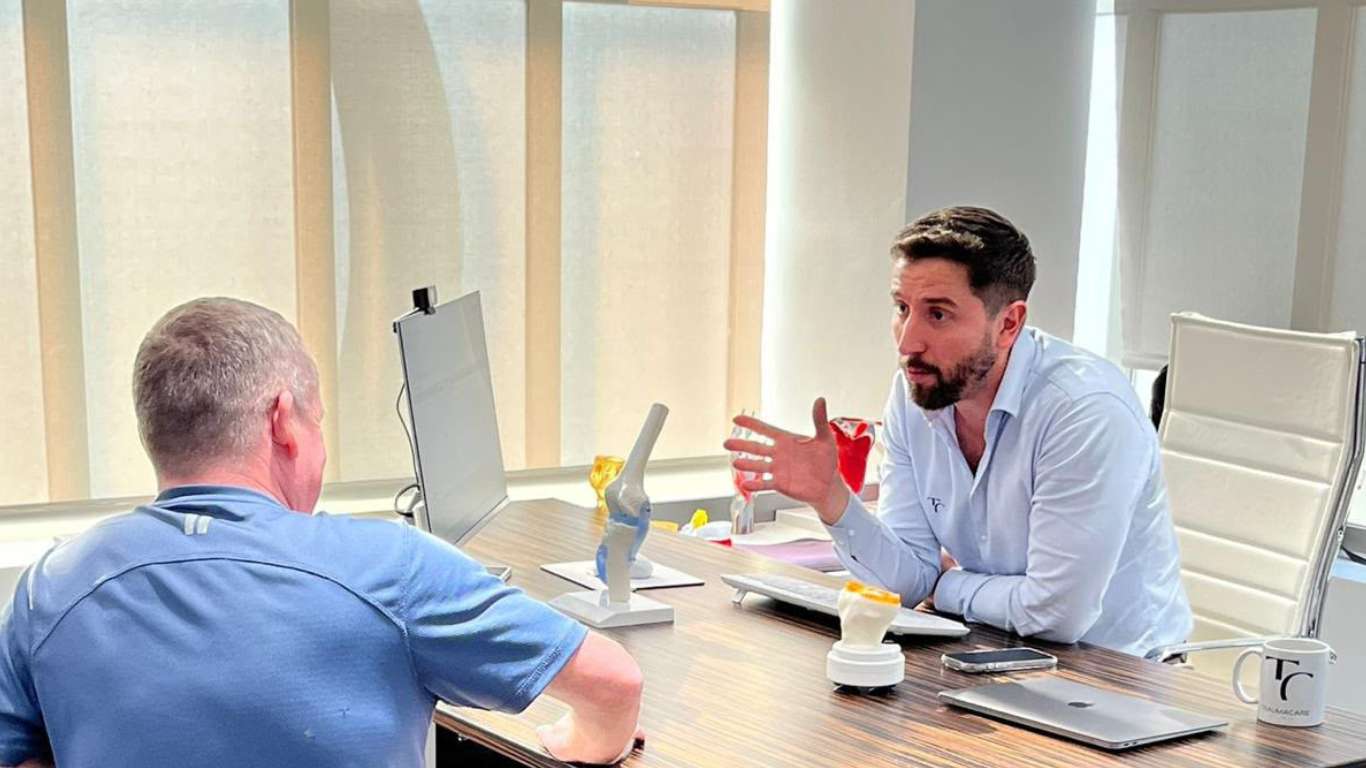
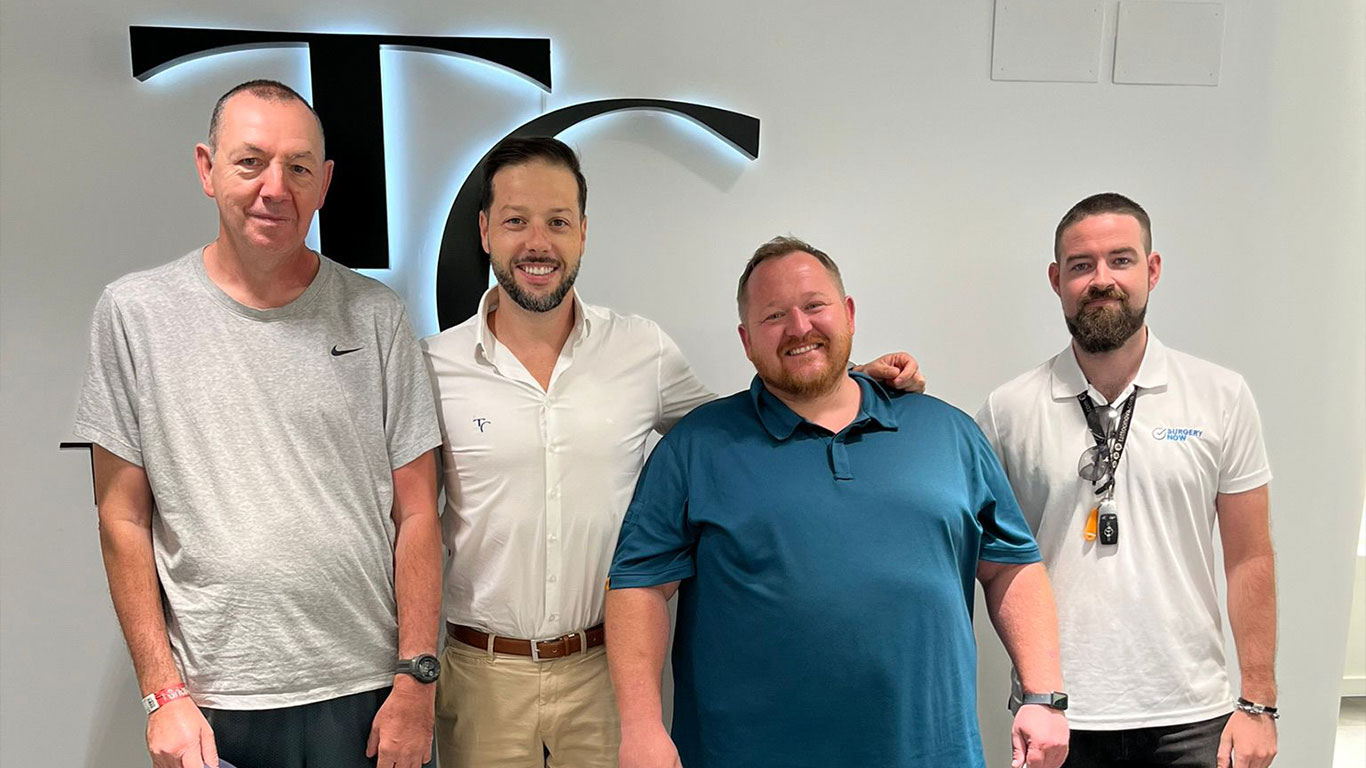
We sat down with Dr David Gonzalez, co-founder of Traumacare Clinic, to talk about upper limb conditions, treatment options, and what patients can expect when they take that first step towards living without pain.
Can you tell us a little about yourself and your background as an orthopaedic surgeon?
I am an orthopaedic surgeon primarily dedicated to upper limb surgery, shoulder, elbow, wrist and hand conditions, an area which I have focused most of my clinical and surgical activity on over the years. Managing a high volume of both standard and complex cases has allowed me to develop extensive experience in this field at a national level.
In addition to upper limb surgery, I also perform Hip Replacements and complex revision surgery. Revision hip surgery is one of the most demanding areas in reconstruction orthopaedics, requiring meticulous preoperative planning and precise surgical execution.
At Traumacare Clinic, we work within a structured, patient-centred model of care. Through our collaboration with Surgery Now, this model extends seamlessly to international patients, ensuring that from the very first contact in Ireland to the final stages of recovery, patients feel guided, informed and supported. From the very beginning, it’s clear that while experience is essential, how that care is delivered matters just as much.
What led you to specialise in this area?
The upper limb has always fascinated me because of its complexity and its importance in daily life. We often underestimate how essential shoulder and hand function is until we lose it. Simple actions like lifting a cup, fastening a shirt or driving can become extremely difficult when pain or instability is present.
I was drawn to this field because it combines anatomical precision with a profound impact on independence and quality of life.
Restoring movement is not just a technical achievement, it allows pati
ents to regain confidence in their own bodies.
When patients tell us they “just want to get back to normal,” this is exactly what they mean.
What types of conditions and procedures do you treat the most?
In upper limb surgery, I frequently treat:
- Rotator cuff tears
- Shoulder instability
- Frozen shoulder
- Shoulder arthritis
- Elbow tendinopathies and instability
- Wrist arthritis and post-traumatic conditions
- Nerve compressions such as carpal tunnel syndrome
The procedures I most commonly perform include:
- Shoulder arthroscopy
- Rotator cuff repair
- Shoulder stabilisation surgery
- Shoulder replacement, including complex cases
- Elbow and wrist arthroscopy
- Nerve decompression surgery
In hip surgery, I perform:
- Primary total hip replacement
- Revision hip replacement surgery
Revision procedures can involve previous implant failure, bone loss or mechanical complications. These cases require advanced expertise and careful planning.
Working alongside Surgery Now allows us to ensure that patients travelling from Ireland benefit from a clearly structured pathway, including preoperative assessment, hospital coordination, postoperative monitoring and communication with their home-based physiotherapy teams.
For many patients, having that clear plan, from diagnosis through to recovery back home, brings a real sense of reassurance.
How do you help patients feel comfortable and informed before surgery?
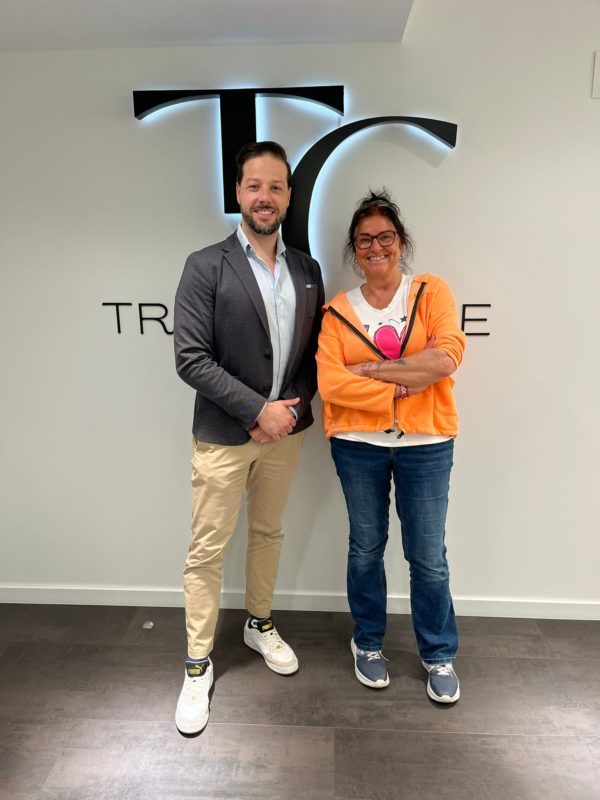
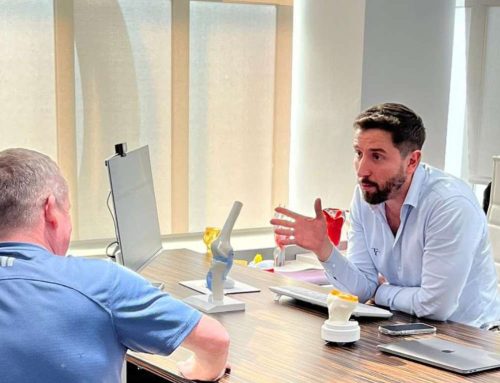
Clear communication is fundamental, many patients feel anxious, particularly when travelling abroad for treatment. Together with the Surgery Now team, we ensure patients receive consistent information before they even arrive in Spain. During consultation, I explain the diagnosis in simple, understandable terms, outline all available options and describe the recovery process realistically. When patients understand what is happening and what to expect, fear decreases. Trust begins with information and with genuinely listening.For patients travelling from Ireland, that reassurance starts long before they ever step on a plane.
What should patients know before upper limb surgery?
Patients should understand that surgery is a partnership.The operation itself is one important step, but preparation, mindset and rehabilitation are equally essential. Upper limb procedures often have excellent outcomes, particularly with modern minimally invasive techniques such as arthroscopy, but recovery requires patience and active participation.With Surgery Now coordinating the process internationally and our team managing the clinical pathway locally, patients experience a continuous and well-organised journey rather than fragmented care.It’s not just about having surgery, it’s about being supported every step of the way.
Why is physiotherapy and rehabilitation essential for successful recovery after surgery?
Rehabilitation is where true recovery takes shape.
Repairing a tendon or implanting a prosthesis is only part of the process. Muscles and the nervous system must relearn coordinated movement. Structured physiotherapy ensures strength, mobility and control are restored safely and progressively.
We provide detailed rehabilitation protocols and, in collaboration with Surgery Now, ensure continuity of care once patients return home. Recovery does not stop at hospital discharge, it continues until function is fully restored.This is where real progress happens, not just healing, but rebuilding strength and confidence.
What advice would you give to someone who is living with chronic upper limb pain?
Do not normalise chronic pain, many people adapt their lives for years, avoiding movements, sleeping poorly or limiting activity. In many cases, effective treatment is available, and surgery is not always required. The first and most important step is an accurate diagnosis. Through coordinated assessment and planning, we can create a personalised treatment strategy that offers clarity and realistic expectations from the outset.
If something doesn’t feel right, it’s worth exploring. You don’t have to just “put up with it.”
What do you enjoy most about your work as an orthopaedic surgeon?
I value the moment when confidence returns, when a patient arrives unable to lift their arm or walk without pain, and months later moves naturally and comfortably again, that transformation is deeply meaningful. Surgery is technical and demanding, but its purpose is profoundly human, restoring independence, dignity and quality of life. And that moment when life starts to feel normal again, that is what it’s all about.
What would you like Surgery Now patients to know before meeting you?
I would like them to know that they will be treated as individuals, not just as clinical cases. Every patient has personal goals, returning to sport, caring for family, or simply living without constant discomfort. I take time to understand what truly matters to them. Together with Surgery Now and the Traumacare Clinic team, we provide a calm, professional and structured experience, ensuring that patients feel secure both medically and personally throughout their stay.
What are the most common concerns or fears patients have before upper limb surgery, and how do you address them?
The most common concerns are pain, complications and fear of not regaining full movement. I address these concerns with honesty and evidence. Modern anaesthesia and pain management protocols are highly effective. When surgery is properly indicated and performed in experienced centres, complication rates are low. Most importantly, patients are supported at every stage. From their first contact with Surgery Now in Ireland to postoperative follow-up with our team in Spain, the journey is carefully coordinated. That continuity builds confidence, and confidence helps ease fear.
You Don’t Have to Live Around Pain
If you’ve been quietly adapting your life around shoulder, elbow, wrist or hand pain, you’re not alone. But you also don’t have to continue living that way.With the right diagnosis, a clear plan, and a supportive, experienced team, recovery is not only possible, it’s within reach. Through Surgery Now and the expertise of Dr David Gonzalez, patients are supported from their very first question right through to full recovery at home.
Because this journey isn’t just about surgery, It’s about getting your life back.


Leave A Comment